Matthew Warner explores the mixed fortunes of three planes introduced by Britain’s Royal Flying Corps in 1917.
Continue reading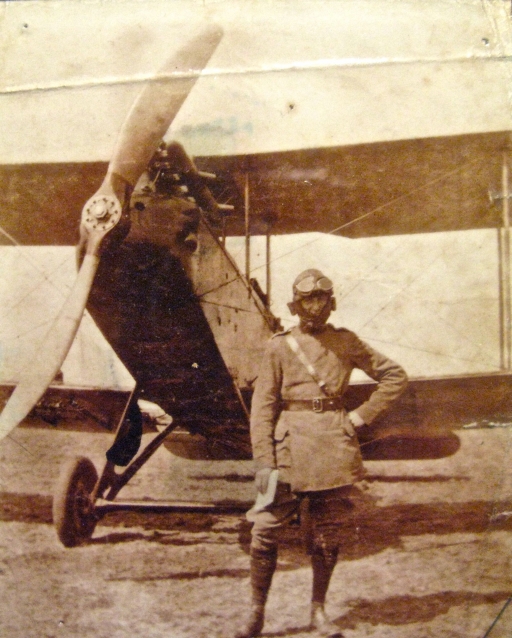
Matthew Warner explores the mixed fortunes of three planes introduced by Britain’s Royal Flying Corps in 1917.
Continue reading
Matthew Warner explores the mixed fortunes of three planes introduced by Britain's Royal Flying Corps in 1917.
Continue readingAn Oxford University team is leading a UK-wide drive to find and conserve First World War photos, letters and mementos beyond the close of the Centenary in 2018.
Continue reading
The Commonwealth War Graves Commission has opened a photo exhibition to mark the 90th anniversary of the Menin Gate.
Continue reading
Two blind soldiers’ accounts of the unveiling of the Menin Gate 90 years ago today have been voiced for the charity, Blind Veterans UK, founded as St Dunstan’s during WW1.
Continue reading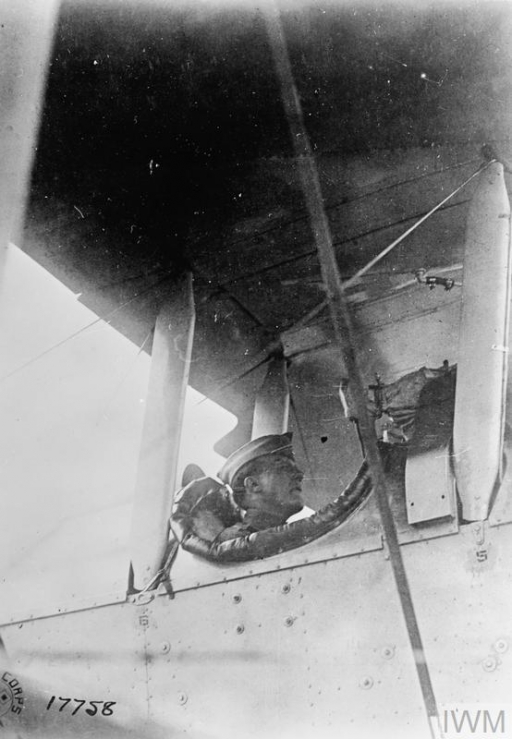
President Wilson signed legislation on 24 July 1917 earmarking $640 million to create an American air force for war, as Patrick Gregory explains.
Continue reading
President Wilson signed legislation on 24 July 1917 earmarking $640 million to create an American air force for war, as Patrick Gregory explains.
Continue reading
The wearied figure of a soldier, sculpted using mud from Passchendaele, has been unveiled in London as a reminder of the sacrifices made during the Third Battle of Ypres 100 years ago.
Continue reading
Daphne Glazer’s novel is about a Sheffield family who in 1914 felt that it would be wrong to fight. The author tells Centenary News that her own father went to prison as a 19-year-old conscientious objector during the First World War.
Continue reading
Publisher’s Description:’The Territorials were never intended, trained or equipped for overseas service; their role was to defend the UK mainland against invasion. Yet men across Liverpool’s diverse communities volunteered for the Territorials in their thousands, forming the core of two divisions during the First World War’.
Continue reading